
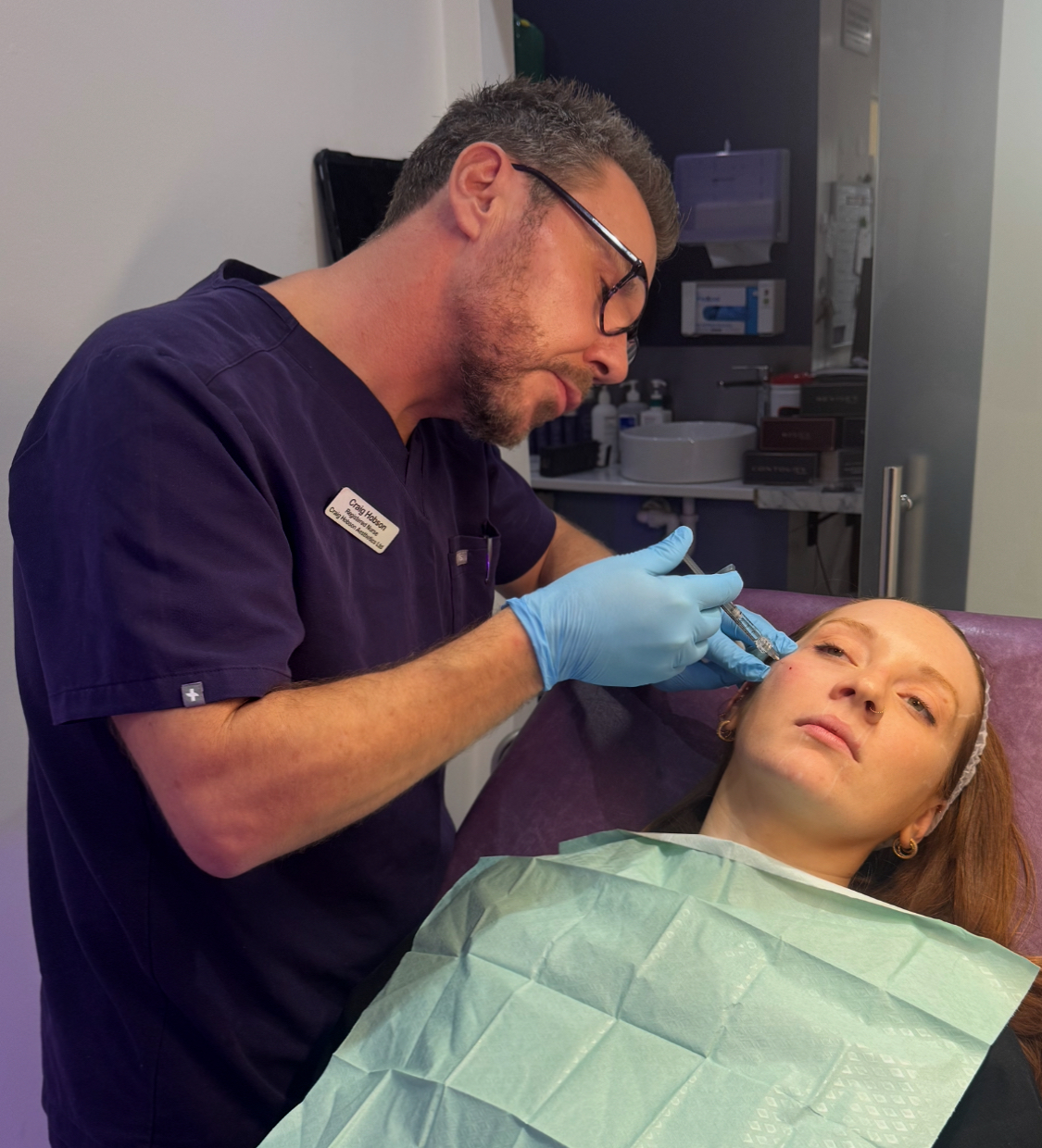
The aesthetics industry in the UK is changing. As demand for non-surgical treatments grows, new aesthetics regulation is being introduced to improve safety, raise standards, and protect the public.
At CHA we believe these developments are a positive step. They help patients make confident and informed choices about their care.
At Craig Hobson Aesthetics in Bristol, patient safety, dignity, and professional standards have always been the priority. The in-coming regulatory changes only help to reinforce the importance of choosing a qualified, medically trained practitioner.
We believe aesthetics isn’t just about results. It’s about safety, trust, and feeling confident in the care you receive.
Why aesthetics regulation is changing
Non-surgical cosmetic treatments such as injectables, skin rejuvenation treatments and laser therapies have grown rapidly in popularity. However, until now the sector has been lightly regulated.
In England, there has been no single legal framework defining who can perform many aesthetic procedures. This has lead to inconsistent training standards and justified safety concerns.
Reports of complications and unsafe practices have increased pressure for reform, with the government aiming to protect the public from unqualified providers and prevent harm. This is why new aesthetics regulation measures are being introduced.
What changes are being introduced?
These are the main changes to aesthetics regulation that are being introduced.
Licensing for clinics and practitioners.
The UK Government has confirmed plans to introduce a licensing scheme for non-surgical cosmetic procedures.
This means:
- clinics must meet hygiene and safety standards
- practitioners must be properly trained and qualified
- providers must hold appropriate insurance
- infection control and safe practice standards must be met
These changes aim to ensure consistent standards and improved patient protection.
Stronger controls on higher-risk procedures.
New rules are expected to restrict high-risk procedures to suitably qualified healthcare professionals working in regulated settings.
This includes increased oversight and Care Quality Commission (CQC) regulation for certain higher-risk treatments.
National training and qualification standards.
Historically, there has been no legal requirement for training before delivering many aesthetic procedures.
Upcoming aesthetics regulation aims to ensure practitioners meet minimum competency standards, including:
- patient assessment and consent
- infection prevention and hygiene
- safe product use
- complication management and emergency response
This shift will professionalise the industry and improve patient outcomes.
Age restrictions and patient protection.
Proposed measures include stronger protections for under-18s and improved informed consent practices to ensure patients fully understand risks and outcomes.
More consistency across the UK.
Governments across the UK are working toward stronger safeguards and more consistent regulation to protect patients and raise standards.
Why these changes are good news for patients
Although the industry is becoming more complex, the goal of the incoming regulations are simple. That is to protect patients and improve safety.
Aesthetics Regulation will help:
- reduce complications and unsafe practices
- ensure practitioners are properly trained
- eliminate rogue or unqualified providers
- raise professional standards
- improve transparency and patient confidence
Ultimately, these changes make aesthetic treatments safer and more trustworthy.
Why choosing a medical professional matters
At Craig Hobson Aesthetics, these principles are already central to patient care. We have always run our clinic as though these regulations are in place.
Craig is a registered nurse prescriber with many years of clinical ward experience and aesthetics medicine training from best in practice organisations. This combination of extensive medical knowledge, patient care expertise and best in class aesthetics certifications means he brings impeccable standards to every consultation and treatment.
His clinical background ensures:
- thorough patient assessment and safety screening
- evidence-based treatment planning
- sterile technique and infection control
- understanding of medical complications and aftercare
- compassionate care for sensitive health concerns
Many people feel embarrassed discussing aesthetic or intimate concerns. Craig’s nursing experience allows him to create a respectful, supportive environment where patients feel comfortable, listened to, and treated with dignity.
CHA is Save Face accredited.
Save Face accreditation ensures that your aesthetics practitioner upholds stringent government standards.
To become Save Face accredited, practitioners must undergo a thorough assessment process that includes verification of qualifications and training, clinic and hygiene inspections, evidence of insurance and safety protocols and complication management assessments.
To read more about our Save Face accreditation, read our recent blog.
What patients should look for when choosing a clinic
As aesthetics regulation evolves, it is important to choose a provider who already meets high safety standards.
Look for:
- medical training or advanced qualifications
- a clean, professional clinical setting
- thorough consultation and informed consent
- licensed, traceable products
- clear aftercare and ongoing support
A reputable practitioner will always prioritise your safety and wellbeing.
Aesthetics regulation is raising standards.
The upcoming aesthetics regulation changes aren’t about making treatments harder to access. They are about ensuring treatments are delivered safely, ethically, and professionally.
For patients, this means greater confidence, and for responsible practitioners they reinforce trust.
Safe, professional care in Bristol
Craig Hobson Aesthetics in Brislington, provides discreet, medically led aesthetic care in a safe and supportive clinical environment.
If you are considering treatment and would like guidance from a qualified healthcare professional, a consultation is the best place to start.