
When you walk into any pharmacy or beauty retailer you’re faced with shelves full of skincare. Each tube promising brighter, clearer or younger-looking skin.
Many of these products are great and form part of a healthy skin routine.
But when you want targeted, transformative results practitioners routinely recommend clinical grade products.
So, what actually is the difference between high street skincare and clinical skincare? And do you really need it?

High street skincare has a role
High street or over-the-counter products such as those sold in pharmacies, beauty retailers or supermarkets, can absolutely support healthy skin.
Many high-street products contain ingredients like:
- Hyaluronic acid
- Vitamin C
- Niacinamide
- Retinol derivatives
- Sunscreen
For general skin maintenance these products can work well.
However, there are limitations built into how they are regulated and formulated. This means that for some more complex conditions they won’t pack the punch you need.
Here are the 4 key differences between high street and clinical skincare
Strength of active ingredients
Clinical care is typically formulated with higher concentrations of active ingredients.
For example:
- Retinoids used in clinical skincare are often stronger than the retinol derivatives commonly used in retail products.
- Acids such as glycolic or salicylic acid may be used in higher concentrations.
These stronger formulations can lead to more visible changes in skin texture, pigmentation and ageing concerns when used correctly.
However, because they are stronger they are usually recommended, sold and supervised by trained practitioners.
Penetration into the skin
Another major difference is how these ingredients are delivered into the skin.
Many clinical skincare brands invest heavily in:
- stabilisation technologies
- delivery systems
- medical-grade formulations
These systems are designed to help ingredients penetrate beyond the superficial layers of the skin. As a result, they can influence processes such as collagen production or pigment regulation.
High street products are often formulated to act more superficially. This reduces the risk of irritation, but also limits their clinical impact.
Regulation and evidence
Clinical skincare brands are often developed in collaboration with:
- dermatologists
- plastic surgeons
- aesthetic clinicians
Many products undergo clinical testing and published trials to support their claims.
By contrast, cosmetic skincare sold on the high street is regulated under cosmetic regulations. This alters what claims can legally be made about their ability to alter skin structure or function.
As a result, most high street products are designed for cosmetic improvement rather than medical-level change.
Personalised treatment plans
Perhaps the biggest advantage of clinical grade protocols is personalisation.
When skincare is recommended by an aesthetics practitioner in a clinic, it is usually chosen based on:
- your skin type
- your skin concerns
- any underlying skin conditions
- other treatments you may be having
For example, someone preparing for treatments such as:
- chemical peels
- microneedling
- injectable treatments
may benefit from specific skincare that prepares the skin beforehand and supports recovery afterwards.

When clinical options may be worth considering
Clinical-grade care can be particularly helpful when targeting specific and more challenging skin concerns. These may include:
- persistent acne
- pigmentation and melasma
- rosacea-prone skin
- sun damage
- fine lines and skin ageing
- post-treatment skin recovery
These are skin conditions where higher potency ingredients and targeted formulations can make a noticeable difference.
Clinical skincare at Craig Hobson Aesthetics in Bristol
At Craig Hobson Aesthetics in Bristol, we see skincare a critical part of achieving long-term skin health and treatment results.
Alongside their in-clinic treatments, patients are often guided towards clinical grade products that support their individual skin concerns and treatment plans. Using the right products at home can help maintain results and improve overall skin quality over time.
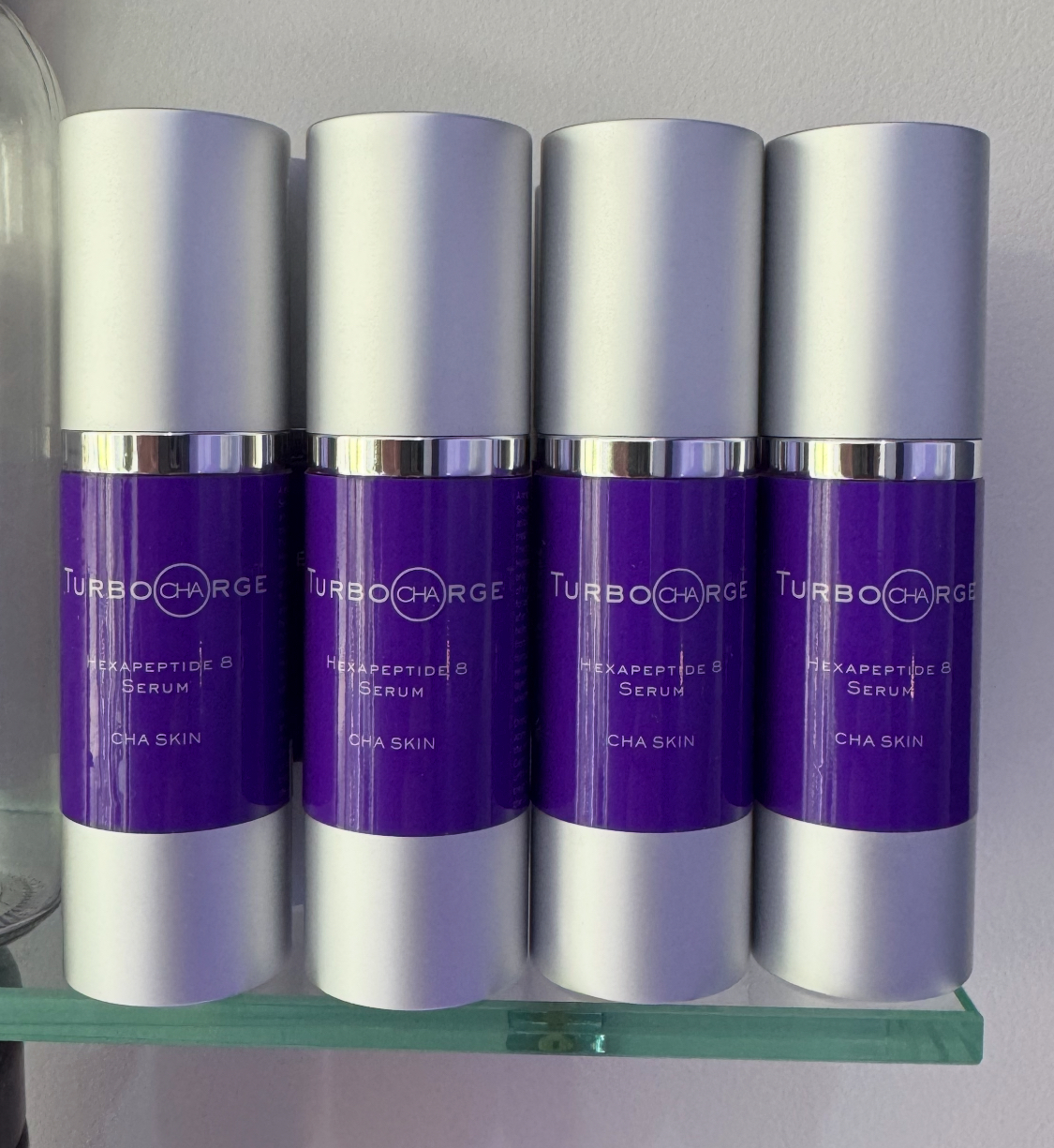
At CHA, we offer several clinical grade options that help support and maintain the results delivered by our treatments.
Craig has worked alongside dermatological specialists to create our own range of clinical grade skincare. Our beautiful CHA branded products are available to purchase in clinic, and are designed to deliver active ingredients at effective concentrations while supporting everyday skin health.
Alongside these, we also supply NOON products that are tailored to support its range of Chemical Peel and Medical grade facial treatments available as a service at CHA.
During your skin consultation, patients at CHA will receive personalised advice on skincare routines, whether they currently use high street or clinical products or a combination of both.
For those searching for clinical grade skincare in Bristol, a consultation with Craig can help determine which ingredients and formulations are most appropriate for their skin.
Final Thoughts
Buying from the high street is accessible, affordable, and useful for maintaining healthy skin.
But when you want more targeted, powerful results, clinical skincare offers:
- stronger active ingredients
- advanced delivery systems
- personalised recommendations
For many people, the most effective skincare strategy is not choosing one or the other, but using the right products, at the right strength, for the right skin concerns.
If you would like advice on skincare or treatments, Craig Hobson Aesthetics in Bristol offers consultations to help patients understand the most effective options for their skin.
Book your skin consultation here.