

Plasma Skin Treatments vs. SkinPen Microneedling.
Which is better for skin tone, skin texture and collagen?
Plasma-based skin treatments have become increasingly popular over the past few years.
Many of our patients now ask whether newer plasma technology is “better” than traditional microneedling, particularly when it comes to improving skin tone, texture and collagen.
The reality is that these treatments work in different ways. Neither is superior nor inferior to the other.
The right choice depends on your needs, your tolerance for downtime and the type of result you want to achieve.
Plasma skin treatments vs. Microneedling.
Here is our clear comparison across the three areas our patients ask about most.
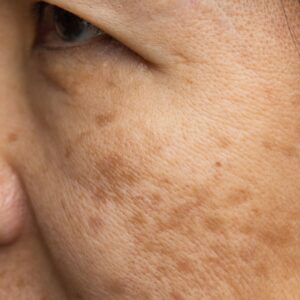
Skin Tone (redness, pigmentation and uneven colour)
How Plasma Treatments affect skin tone
Plasma treatments use controlled thermal energy to create tiny points of heat in the skin.
This can:
- Encourage skin renewal
- Improve uneven pigmentation
- Brighten sun-damaged areas
- Create a fresher overall appearance
Because plasma uses heat, it can produce a stronger resurfacing effect.
However, heat-based treatments require careful selection, particularly in darker skin tones where there is a higher risk of post-treatment pigment changes.
How SkinPen microneedling affects skin tone
Microneedling with SkinPen improves skin tone more gradually. Rather than resurfacing through heat, SkinPen microneedling stimulates collagen and strengthens the skin’s structure.
As skin quality improves, tone often appears more even.
Because SkinPen doesn’t rely on thermal injury, it’s generally considered suitable for a broader range of skin tones with a lower risk of pigment complications.
Our Verdict…Which is better for skin tone?
- For targeted resurfacing of sun damage, plasma treatments may provide stronger short-term correction.
- For gradual improvement with lower pigment risk, SkinPen is often the preferred option.
Are you considering a SkinPen Microneedling treatment? Why not head over to our blog, The Ultimate Guide to Microneedling. We answer all your FAQs and explain why using SkinPen offers the best, and safest, results.
Skin Texture (Acne scars, roughness or enlarged pores)
Texture concerns are where the differences between Plasma treatments and Microneedling become more noticeable.
Plasma for Texture
Plasma treatments can tighten the skin’s surface and improve fine lines or mild irregularities.
The heat-based response may:
- Smooth shallow scarring
- Improve surface roughness
- Create mild tightening
However, deeper acne scars are structural concerns beneath the surface. This means that surface heating alone may not fully address them.
SkinPen for Texture
SkinPen works by creating controlled micro-channels at adjustable depths. This stimulates collagen production in areas where support has been lost.
For acne scars and uneven texture, this can:
- Soften depressed scars
- Improve pore appearance
- Strengthen the skin over time
- Improve overall surface smoothness
Because the SkinPen device allows precise depth control and uses sterile, single-use cartridges, all treatments can be delivered consistently and safely.
The FDA clearance of SkinPen for acne scar treatment is particularly relevant here. It demonstrates that the device has been specifically evaluated for this concern.
Our verdict…Which is better for skin texture?
- For structural acne scarring, microneedling using SkinPen often produces more reliable improvement because it directly stimulates collagen at the appropriate depth.
- Plasma may improve surface texture, but it is not automatically superior for scarring.

Collagen Stimulation (Firmness and long-term skin strength)
Both treatments stimulate collagen, but through different mechanisms.
Plasma and Collagen
Plasma creates controlled heat injury, which triggers the body’s repair response. As healing occurs, collagen production increases.
This may improve:
- Mild skin laxity
- Crepey texture
- Fine lines
However, because heat is involved, recovery tends to be longer, and swelling or crusting may occur during healing.
SkinPen and Collagen
SkinPen stimulates collagen mechanically rather than thermally. The micro-injuries trigger a natural repair response without heating the surrounding tissue.
This approach:
- Encourages gradual, steady collagen remodelling
- Involves shorter downtime
- Carries a lower risk of pigment disturbance
- Can be repeated as part of a structured treatment plan
Collagen builds progressively over several months. Patients will see a gradual, subtle but impactful improvement in firmness and skin quality.
Our verdict…Which is better for collagen?
- If your priority is gradual collagen stimulation with minimal downtime, SkinPen is often the more balanced option.
- If you are seeking a more immediate tightening effect and accept longer recovery, plasma may be appropriate.

Common Questions Patients Ask
In your skin treatment consultation, we may discuss the following concerns.
“Is plasma stronger than microneedling?”
Plasma is typically more aggressive because it uses heat. Stronger doesn’t necessarily mean better. The most effective treatment depends on your concern and your skin type.
“Why does FDA clearance matter?”
FDA clearance indicates that a device has undergone formal evaluation for safety and effectiveness for a specific indication. In the case of SkinPen, that indication is acne scarring.
Not all microneedling devices on the market have undergone this level of review.
“Which has more downtime?”
Plasma treatments usually involve more visible healing, including redness and small crusts that may last several days.
SkinPen typically causes redness similar to mild sunburn for 24–48 hours.
“Which is safer for darker skin tones?”
Because plasma relies on heat, there is a greater risk of pigment changes in some skin types. Microneedling without thermal injury is often considered more suitable across a broader range of skin tones.
“Will either treatment remove scars completely?”
No. The aim of treatment is improvement, not complete removal. Honest expectations are essential regardless of the method used.
Final Thoughts
Plasma-based treatments and microneedling with SkinPen are different tools with different strengths.
SkinPen offers clinically evaluated, FDA-cleared treatment for acne scars with controlled depth and predictable collagen stimulation.
Plasma treatments may offer stronger resurfacing and tightening but involve greater downtime and require careful patient selection.
The right choice depends on your individual skin concerns, your tolerance for recovery and a professional assessment.
At Craig Hobson Aesthetics, we do not take a one-size-fits-all approach.
Your treatment recommendations are always made following a thorough consultation. We’ll assess your skin, discuss your goals and consider what will deliver the safest and most appropriate outcome for you.
Our priority is choosing the treatment that genuinely suits your skin, not simply the newest, “best” or most talked-about option.
Newer does not always mean better. Appropriate, safe treatment selection is what matters most.