
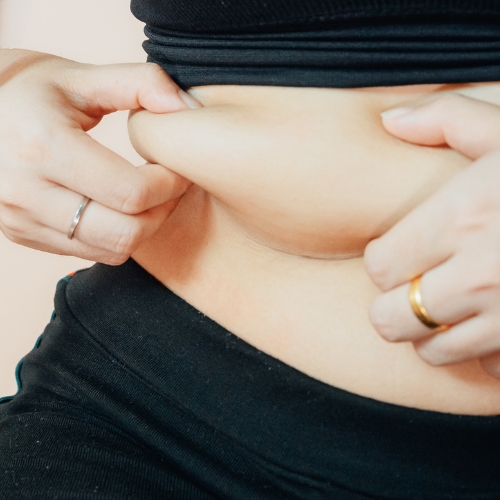
Every spring we receive an increase in patients enquiring about our body contouring treatments.
Last week our blog looked into Electrical Muscle Stimulation as a possible support for fat loss. This week we are turning our attention to Ultrasound Fat Cavitation, and how this treatment can be used as a tool to help you be more swimwear confident this summer.
Here are the 7 most frequently asked questions about fat cavitation from our patients at Craig Hobson Aesthetics.
What is fat cavitation?
Fat cavitation is a non-surgical body contouring treatment designed to reduce stubborn fat deposits and affect the body shape without the need for invasive procedures.
It has become increasingly popular in aesthetics as a lower-risk alternative to surgical procedures such as liposuction, particularly for clients who are close to their target weight but struggle with localised fat.
How does fat cavitation work?
Fat cavitation uses low-frequency ultrasound waves to target fat cells beneath the skin.
Here’s the fat cavitation process broken down step-by-step:
- Ultrasound energy is applied to the treatment area using a handheld device. At CHA we use a device called The Liposhape Pro to deliver our Fat Cavitation treatments.
- The ultrasound creates pressure changes that cause fat cells to rupture and break down
- Fat is released as liquid (fatty acids & glycerol) as a natural byproduct of fat breakdown
- Over time, the lymphatic system and liver process and eliminates the waste.
Top Tip : this treatment doesn’t “melt fat instantly”.
Your body still needs to process it. We recommend hydration and movement after each fat cavitation treatment.
What areas can be treated?
Fat cavitation is typically used on areas where fat tends to be more resistant:
- Abdomen
- Thighs (inner and outer)
- Hips / love handles
- Upper arms
- Back / bra line
It is not a weight loss treatment, but can be effectively used for both body contouring and body shaping.
What does the treatment feel like?
Most patients at CHA describe fat cavitation as:
- Warm and comfortable
- A slight buzzing or ringing sensation (this is normal due to the ultrasound frequency)
- No needles or downtime
Each sessions usually lasts 20–45 minutes, depending on the area treated.
When will I see the results?
Fat Cavitation treatment results vary, but typically:
- Some patients notice changes after 1–3 sessions
- Optimal results usually require a course of treatments (often 6–10 sessions)
- Results improve gradually as the body processes the fat
Top Tip : Lifestyle plays a huge role in the efficacy of treatments. Hydration, movement, and diet all influence outcomes.
Is fat cavitation safe?
As with all aesthetics treatments, fat cavitation is considered safe when performed by a trained professional.
However, it is not suitable for everyone, including those who:
- Are pregnant
- Have liver or kidney conditions
- Have certain medical implants (e.g. pacemakers)
- Have uncontrolled health conditions
At CHA we always require a proper consultation before treatment. Craig is a highly qualified and experienced medical practitioner. Have a look at all his credentials here.
How is it different from other fat reduction treatments?
In our Bristol clinic, many patients query how fat cavitation is different from other fat reduction treatments. Here is how it compares.
- Vs liposuction: Non-invasive, no surgery, no downtime, but with more gradual results
- Vs fat freezing: Uses ultrasound instead of cold to break down fat
- Vs radiofrequency: Targets fat cells more directly rather than just tightening skin
Many clinics combine treatments (e.g. cavitation + radiofrequency) for enhanced results.
At CHA, we also offer radiofrequency body contouring treatments. Depending upon a patients’ specific needs and goals, we support this combined approach. Craig will discuss this option with you during your consultation.
Final thoughts.
Fat cavitation can be a great option for refining body shape without surgery, particularly for patients who:
- Are already close to their goal weight
- Want to target specific stubborn areas
- Prefer a gradual, non-invasive approach
Like most aesthetic treatments, the best results come from realistic expectations and a consistent approach.
If you’re in Bristol and curious about whether fat cavitation is right for you, book a consultation with Craig who can assess your goals and create you a tailored treatment plan.