
What is Cryotherapy in Aesthetics?
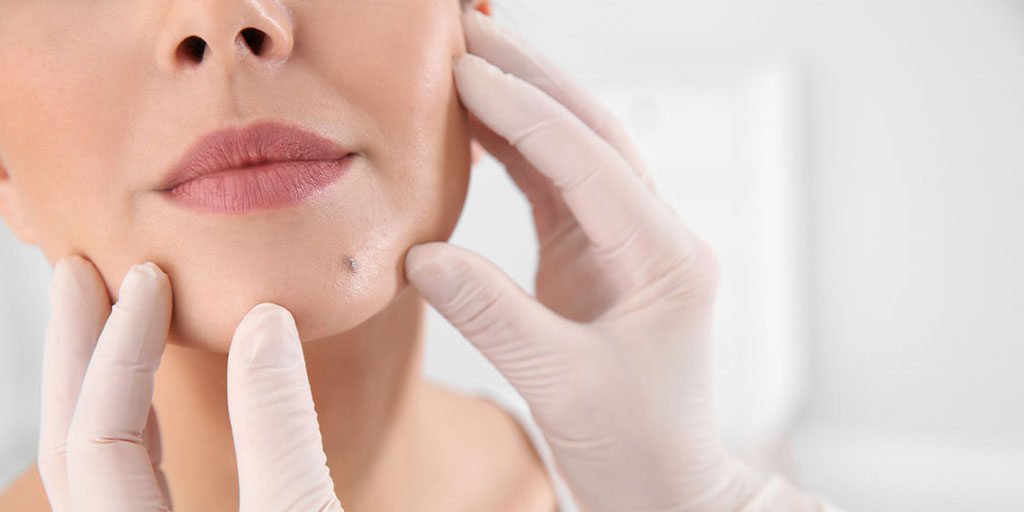
Cryotherapy is a widely used treatment in medical and aesthetic practice that uses extreme cold to safely remove unwanted skin lesions.
It’s a fast, minimally invasive procedure and can often be completed in just a few minutes during a clinic appointment after your initial consultation appointment. However, treatment times may vary depending upon the size and nature of the condition.
At its core, cryotherapy works by applying liquid nitrogen or another freezing agent directly to the targeted skin tissue. The rapid freezing damages the cells within the lesion, allowing the body to naturally shed the treated tissue and replace it with healthy skin over time.
What skin concerns can Cryotherapy treat?
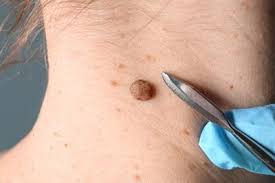
At our Bristol clinic, CHA cryotherapy treatments are commonly used to treat a range of benign skin lesions. These include:
-
Skin tags
-
Warts
-
Benign moles
-
Verrucas
-
Certain other forms of superficial pigmentation
Because the treatment precisely targets small areas of tissue, Cryotherapy is particularly useful for skin lesions that are clearly defined.
Read more about CHA Cryotherapy treatments here.
How Cryotherapy treatment works.
Every CHA treatment begins with a consultation. Your treatment plan will be determined based upon your concern, the legion in question and your medical history.
During the procedure, Craig will apply a controlled burst of nitrous oxide directly to the lesion using a specialised device. The extreme cold causes ice crystals to form inside the abnormal cells, which disrupts their structure. Over time, the treated lesion darkens, scabs or shrinks before eventually falling away.
What to expect after treatment.
Cryotherapy is generally quick and requires little downtime. Patients may experience:
-
Mild redness or swelling
-
A blister or scab forming over the treated area
-
Gradual healing over 1–3 weeks depending on the size and location of the lesion
In many cases, only one treatment is required. However, some lesions may need more sessions, depending on the size and nature of the area. This will be outlined in your plan during your initial consultation.
Is Cryotherapy safe?
When performed by a qualified medical or aesthetic professional, cryotherapy is considered a well-established treatment. It has a long history of clinical use and is routinely used within dermatology and primary care settings across the UK.
Craig Hobson has a long and very established medical career in emergency medicine. He is a registered nurse and prescriber and is Save Face accredited. His aesthetics experience is also extensive and has a Level 7 Diploma is Aesthetic Medicine from the Harley Academy.
A simple solution for unwanted skin lesions.
For many patients, cryotherapy provides a quick and effective option for removing common benign skin concerns without the need for surgical procedures. The treatment is fast, minimally invasive and suitable for a wide range of small skin lesions.
If you are concerned about a skin tag, wart or similar lesion, a consultation with a qualified practitioner can determine whether this is the most appropriate treatment for you.