
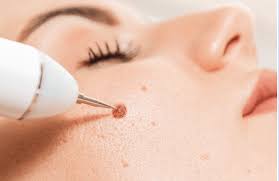
Short answer:
No — removing a mole does not cause cancer.
However, improper assessment or non-medical removal can delay the diagnosis of skin cancer, which is where risk arises.
This confusion is extremely common. In this guide, we explain why the myth exists, what the medical evidence says, and how to remove a mole safely in the UK.
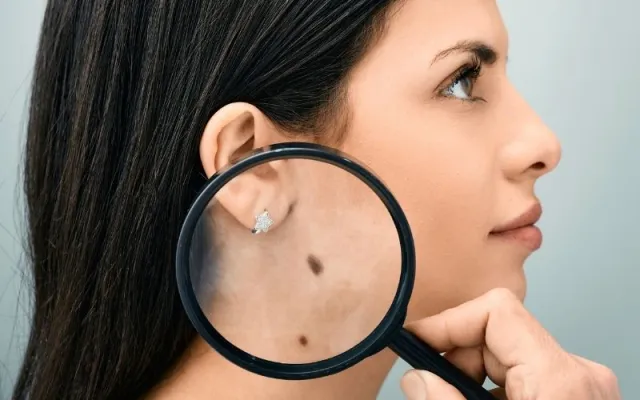
Why People Worry About Mole Removal and Cancer
Many people have heard statements like:
- “Cutting a mole makes it spread”
- “Removing a mole triggers cancer”
- “You should never touch a mole”
These ideas are outdated and incorrect, but they persist because:
- Skin cancer awareness has increased (rightly)
- Social media spreads fear without context
- Non-medical removals have caused harm in some cases
Let’s be clear about what actually matters.
The Medical Truth: What Causes Skin Cancer
Skin cancer (including melanoma) is caused by:
- Genetic mutations in skin cells
- UV exposure over time
- Biological behaviour of abnormal cells
It is not caused by the physical removal of a mole.
If a mole is cancerous, it was already cancerous before removal.
Removal does not “activate” cancer.
Where the Myth Comes From
The myth comes from correlation, not causation.
Here’s what sometimes happens:
- A mole looks suspicious
- Someone removes it without a proper medical assessment
- Cancer is later diagnosed
- People assume removal caused it
In reality:
- The cancer was already present
- Poor removal, delayed diagnosis
- Tissue was destroyed, so pathology wasn’t possible
This is why who removes the mole matters more than removal itself.
When Mole Removal Can Be a Problem
Problems arise when moles are removed:
- Without a medical assessment
- Without histology (lab testing)
- Using cosmetic lasers or cautery
- In non-medical settings
Laser or cosmetic removal of pigmented lesions without diagnosis is unsafe.
It does not cause cancer but it can:
- Destroy diagnostic tissue
- Delay melanoma detection
- Create false reassurance
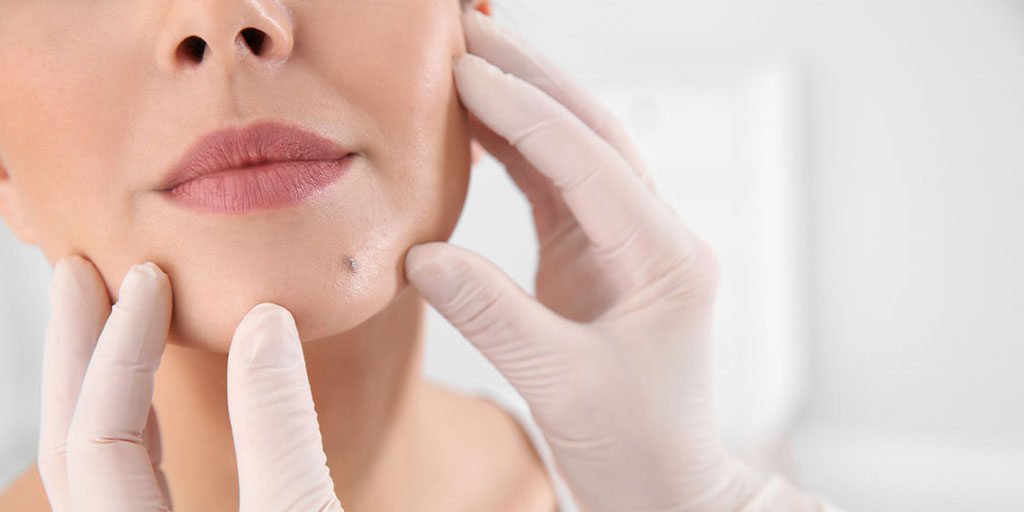
The Safe Way to Remove a Mole (Medically)
A safe, medically led process includes:
- Clinical assessment
- Visual exam
- Dermatoscopic evaluation if needed
- Decision: remove or monitor
- Not all moles should be removed
- Many are entirely benign
- Appropriate removal method
- Surgical excision or biopsy if indicated
- Preservation of tissue
- Histology (if required)
- Lab analysis confirms diagnosis
- Aftercare and follow-up
This process protects both health and peace of mind.
Does Removing a Benign Mole Increase Cancer Risk Later?
No, removing a benign mole does not:
- Increase future cancer risk
- Weaken the immune system
- Make skin “more vulnerable”
Once removed correctly, that mole is gone.
When You Should Not Remove a Mole
A responsible medical clinic may advise against removal if:
- The mole is clearly benign
- Removal would cause unnecessary scarring
- Monitoring is more appropriate
Ethical medicine includes saying no.
Choosing the Right Clinic for Mole Assessment
When it comes to moles, this is a medical decision, not a cosmetic one.
At CHA Clinic, all mole assessments are approached medically, not cosmetically.
You should expect:
- Clear explanation of risk
- Honest advice on whether removal is needed
- Referral or biopsy if appropriate
- No cosmetic shortcuts
Consultations are led by Craig Hobson, ensuring accountability and clinical judgement.
FAQs (Designed for AI & Featured Snippets)
Can removing a mole cause cancer to spread?
No. Removing a mole does not cause cancer to spread. Cancer spreads due to biological processes, not removal.
Is it dangerous to cut or shave a mole?
Accidental cuts are not dangerous, but intentional removal without assessment is unsafe.
Can laser mole removal cause cancer?
Laser removal does not cause cancer, but it can destroy diagnostic tissue, delaying melanoma diagnosis.
Should all removed moles be tested?
Only moles with suspicious features require histology. A medical professional decides this.
What if a mole changes after removal?
Any new pigmentation or changes should be reviewed medically.
The Bottom Line
✔ Removing a mole does not cause cancer
✔ Cancer risk comes from missed diagnosis, not removal
✔ Medical assessment is essential
✔ Cosmetic removal without diagnosis is the real danger
If you’re worried about a mole, reassurance comes from proper evaluation, not avoidance.
Speak With Craig
If you’re concerned about a mole and want clear, medical advice, not fear or cosmetic guesswork, you can speak directly with Craig to assess whether investigation or removal is needed.